Industry Application
All exercises are adapted from real projects completed for clients in technology, retail, and service sectors.
Most people believe creativity is something you're born with. Our platform teaches it as a learnable skill with repeatable frameworks based on cognitive science and problem-solving methods.
We focus on techniques that can be practiced, measured, and improved. Our courses break down the creative process into steps you can follow, with exercises that build specific mental habits. Students learn pattern recognition, lateral thinking, and structured ideation methods used in design studios and innovation labs.

We compared three common methods people use to develop creative thinking. The differences in structure and measurable progress are significant.
1-3 days
Single intensive session focusing on brainstorming exercises. Participants generate ideas in groups but typically lack follow-up structure for continued development. Energy is high during the event but retention drops without practice reinforcement.
8-12 weeks
Reading theoretical frameworks at your own pace. Provides conceptual knowledge but lacks structured exercises and feedback. Progress depends entirely on self-discipline to complete practice assignments without external accountability.
6-8 weeks
Sequential lessons with weekly assignments reviewed by instructors. Builds skills progressively with immediate feedback on exercises. Students complete specific techniques each week with measurable improvement in problem-solving approaches.
Our courses are built around 90-minute weekly modules. Each session introduces one technique, demonstrates it with examples, then assigns practice exercises. Students typically spend 3-4 hours per week including coursework and independent practice.
Learning to identify cognitive biases and mental shortcuts. Students analyze 20 everyday situations using structured observation frameworks and document their default thinking patterns.
Applying specific techniques like random input, provocation, and reversal. Assignments involve generating 30 alternative solutions to real design problems using each method independently.
Integrating multiple techniques into coherent workflows. Students tackle open-ended challenges and document their process, showing how different methods complement each other in practice.

Once students complete the core creative thinking program, they can choose specialized tracks that apply these techniques to specific domains. Each pathway builds on the same cognitive frameworks with context-specific exercises.


Our teaching team includes professionals who apply these techniques daily in design studios, innovation consulting, and product development. They translate field experience into structured learning exercises.
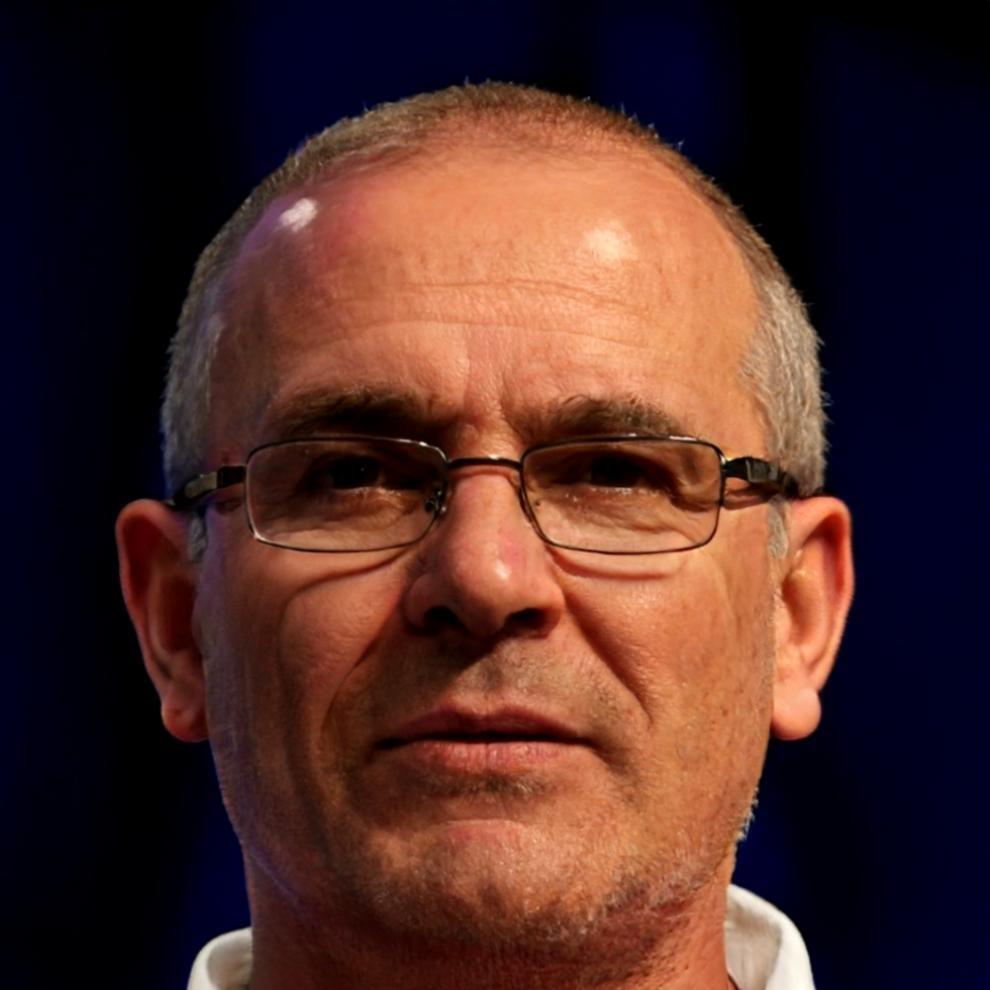
Lead Instructor
12 years design thinking facilitation
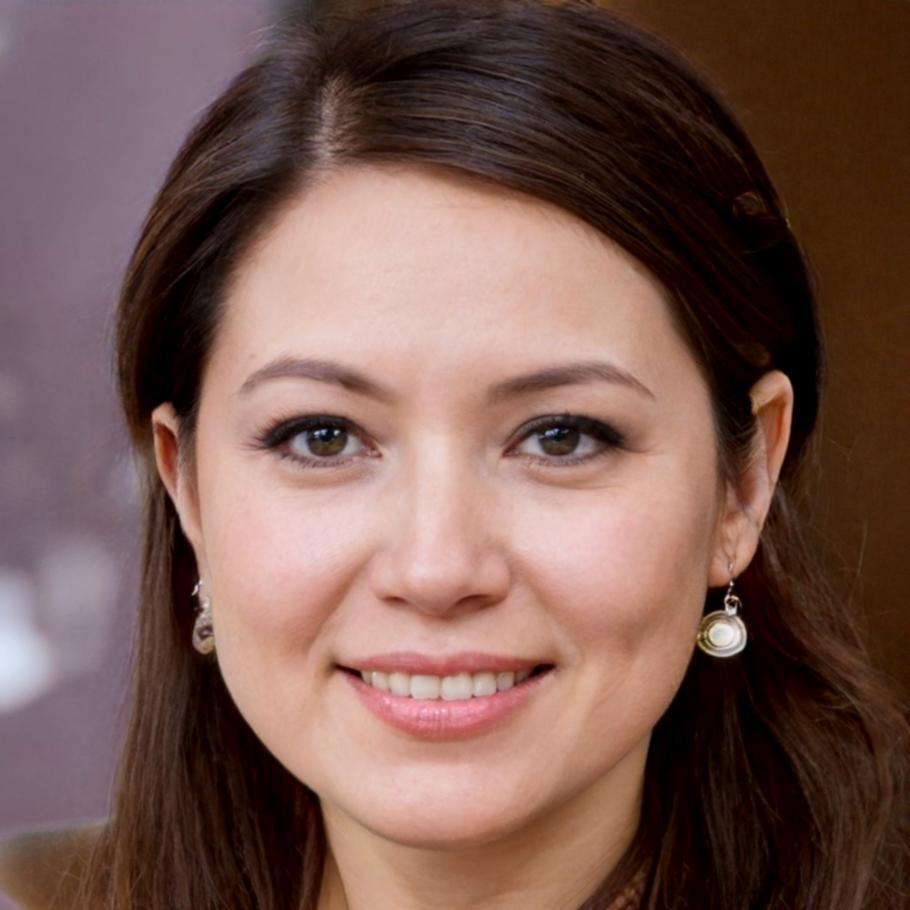
Curriculum Developer
8 years innovation consulting
All exercises are adapted from real projects completed for clients in technology, retail, and service sectors.
Course content references peer-reviewed cognitive science studies on creative problem-solving and decision-making.
Each technique was refined through 40+ workshop sessions before being adapted into asynchronous online format.
Student progress is tracked through documented exercises showing application of specific techniques to assigned problems.
We break complex creative processes into discrete components that can be practiced independently. Students learn one technique per week with clear examples, guided exercises, and personalized feedback on their work. The emphasis is on building repeatable habits rather than abstract inspiration. By the end of the course, students have a toolkit of 12 specific methods they can apply to different problem types.